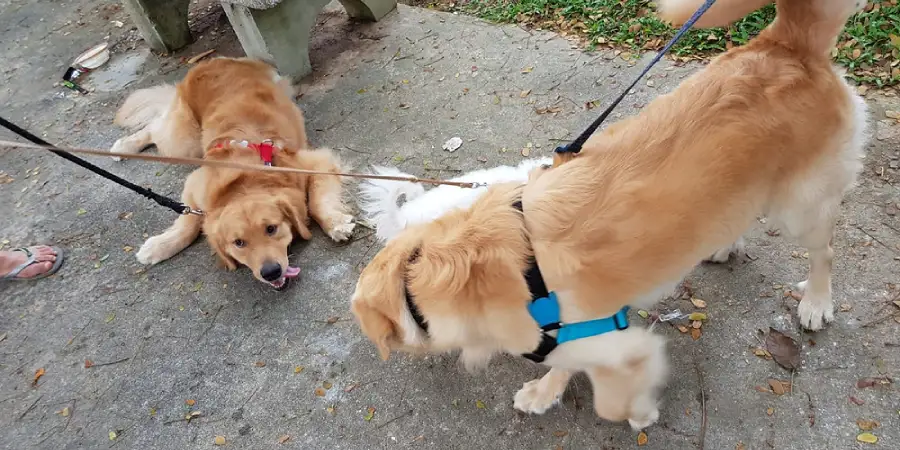
Your pet talks to you without words, through their body language and signals. Learning to understand what your furry friend is saying helps you build a stronger bond and keep them happy and safe. At Tails&Wings, we want you to be the best pet parent by knowing your pet’s signs well.
Why Body Language Matters
Pets use their bodies to share how they feel. It helps them say if they’re happy, scared, hungry, stressed, or excited. Watching their ears, tail, eyes, and posture tells you what’s on their mind.
Common Dog Body Language and What It Means
- Relaxed and Loose: Your dog feels happy and comfortable. Look for a wagging tail, soft eyes, and a relaxed mouth.
- Play Bow: Front paws down, rear up—it means “let’s play!”
- Raised Hackles: Fur along the back stands up; your dog could be excited, scared, or alert.
- Tucked Tail and Lowered Posture: Indicates fear or stress.
- Lip Licking and Yawning: Often signs of anxiety or nervousness.
- Avoiding Eye Contact or Whale Eyes: When the whites of the eyes show, it means discomfort or warning.
Understanding Cat Body Language
- Tail Up and Slightly Curved: Friendly and confident cat.
- Puffed Up Tail: Fear or feeling threatened.
- Slow Blinks: A sign of trust and affection. You can blink slowly back to say “I love you.”
- Ears Forward: Alert and happy.
- Flattened Ears: Scared or angry.
- Crouched Posture: The cat might be nervous or ready to flee.
- Purring: Usually means contentment but sometimes self-soothing when in pain.
Other Important Signals
- Facial Expressions: A relaxed face means calm; tight lips or bared teeth mean stress or warning.
- Body Posture: A stiff body shows tension. A loose, wiggly body means the pet is happy.
- Vocal Sounds: Growls or hisses mean warnings. Meows or barks can mean a request for attention or play.
How to Better Read Your Pet
- Watch your pet throughout the day to spot patterns.
- Focus on one body part at a time, like tail or ears, to understand its meaning in different contexts.
- Combine signals: A wagging tail plus stiff posture could mean something different than a wagging tail with a relaxed body.
- Respect when your pet shows they want space.
Understanding pet body language helps you create a loving, safe home for your best friend. With patience and attention, you’ll soon be fluent in your pet’s unique way of talking. Tails&Wings is here to help you along the way!
FAQ: Understanding Your Pet’s Body Language and Signals
Why is it important to understand my pet’s body language?
Understanding your pet’s body language helps you know how they feel, keep them safe, and strengthen your bond.
What does a wagging tail mean for dogs?
A wagging tail usually means a happy or excited dog, but pay attention to the rest of the body for more clues.
How can I tell if my dog is scared or stressed?
Signs include a tucked tail, lowered body, lip licking, yawning, and avoiding eye contact.
What does a cat’s tail puffing up mean?
A puffed-up tail means your cat is scared or feels threatened.
What does slow blinking from a cat mean?
Slow blinking is a sign of trust and affection. You can slow blink back to show love.
How do I read a scared or angry cat?
Look for flattened ears, crouched posture, and an arched back.
Can pets use facial expressions to show feelings?
Yes, relaxed faces show calmness, while bared teeth or tight lips often mean stress or warning.
What should I do if my pet shows signs of discomfort?
Give them space and avoid forcing interaction. If signs persist, consult a vet or pet behaviorist.