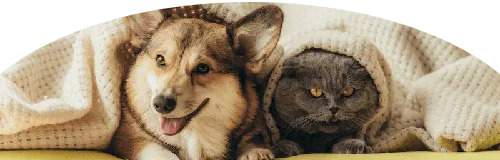
Pets are family, and keeping them healthy is every pet parent’s goal! At Tails&Wings, we’re here with simple, effective tips to help you protect your furry friend from common sickness, allergies, and seasonal troubles.
Preventing Common Illnesses
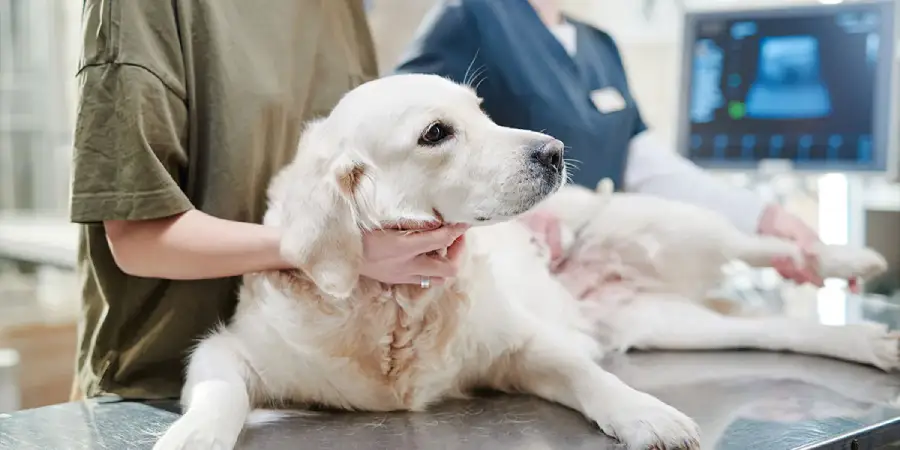
Regular Vet Visits: Take your pet for yearly health checks and keep up with vaccines. Early detection saves lives and helps prevent sickness like parvovirus and rabies.
Deworming & Parasite Control: Deworm your pet as advised by your vet. Use flea and tick preventives to avoid harmful parasites.
Clean Environment: Wash pet bedding, toys, and bowls often. Dispose of waste properly and clean up after walks to stop the spread of germs.
Proper Nutrition: Feed a balanced diet suited to your pet’s age and health. Good nutrition keeps their immunity strong and reduces disease risk.
Dealing with Allergies
Know the Signs: Watch for sneezing, coughing, scratching, licking, red eyes, or bald patches. These can signal allergies in dogs or cats.
Reduce Allergens: Bathe your pet weekly and groom regularly, especially during shedding seasons. Use hypoallergenic pet wipes and shampoos.
Make Allergy-Free Zones: Keep one area pet-free for family members with allergies—like a bedroom. Use HEPA air purifiers and vacuum often.
Consult Your Vet: They may recommend special diets or allergy testing. For food allergies, an “elimination diet” may help find the cause.
Staying Safe During Seasonal Changes
Summer
Keep Cool: Provide fresh water and shade. Avoid walks during mid-day heat; go early or late instead.
Protect Paws: Hot roads and pavements can burn paws—use protective balms or stick to grassy areas.
Watch for Overheating: Look for heavy panting, drooling, or weakness. If seen, move your pet to a cool spot and give water.
Monsoon
Fight Fungus & Pests: Dry your pet’s fur after walks. Check for ticks, fleas, and skin rashes. Use tick sprays and keep paws clean.
Create Cozy Spaces: Thunder can scare pets—make a quiet den with their favorite blanket and toys for comfort.
Avoid Dirty Water: Keep pets away from muddy puddles and stagnant water to prevent infections.
Winter
Warmth First: Shorten walks in the cold, use pet sweaters, and provide warm bedding. Watch for shivering or reluctance to go out.
Monitor Health: Older pets or those with joint problems may need extra care in winter. Ask your vet for advice.
Simple steps make a big difference! With the right care, your pet stays happy and healthy all year round. For more expert tips, visit the Tails&Wings blog and give your furry friend the best life possible.
Frequently Asked Questions
How often should I take my pet to the vet?
At least once a year for a health check. Puppies, kittens, or older pets may need more visits.
Can pets be allergic to certain foods?
Yes. Pets can have food allergies. If you notice itching, tummy problems, or skin issues, ask your vet about testing.
What are signs of heat stroke in pets?
Excessive panting, drooling, vomiting, or collapse. Move your pet to a cool area and contact your vet quickly.
How do I protect my pet during monsoon?
Dry them after walks, use tick protection, and avoid muddy areas. Regular grooming is key.
Can pets get colds during winter?
Pets can suffer from cold and joint pain. Offer warm bedding, limit outdoor time, and watch for illness. See your vet if needed.
For more help, ask Tails&Wings anytime. We’re here for every pet parent!